
 By
By 
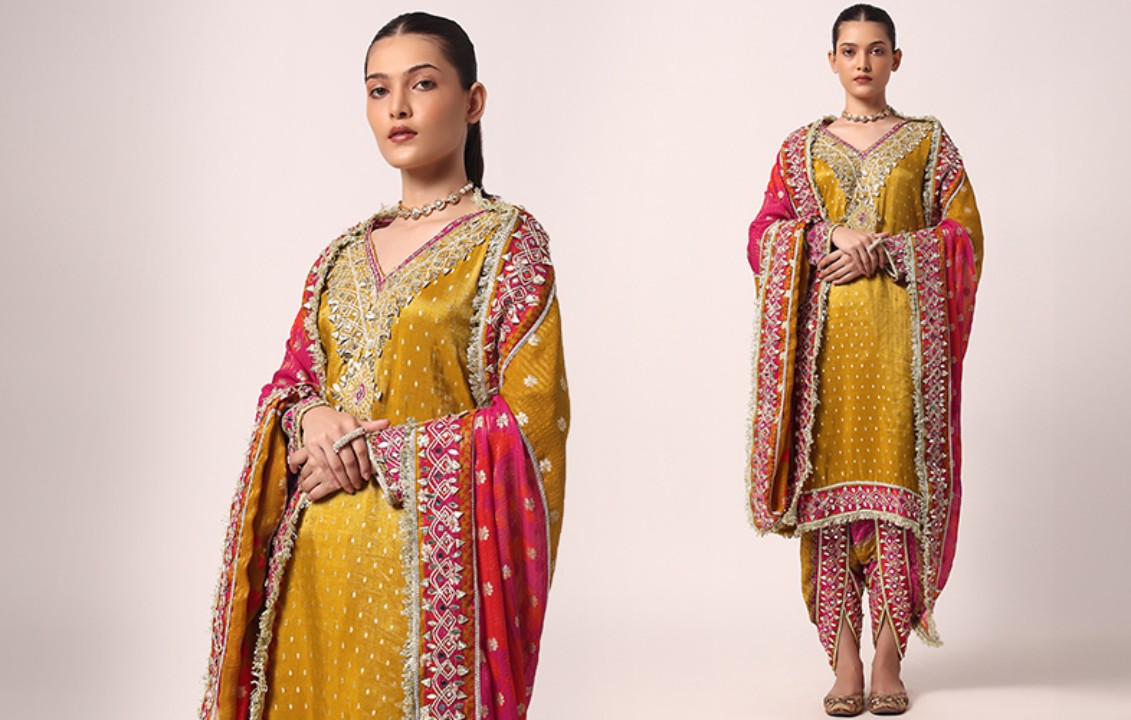
A distinctive layer can anchor a collection, but it needs compatible basics and a clear fit description.
A first wholesale clothing order should answer questions, not attempt to fill every possible gap in a store. Which silhouettes sell? Which sizes move first? How much price resistance exists? Can a winning style be reordered before demand fades?
The best starting order is broad enough to test a clear point of view and focused enough to measure. It connects the customer profile, product mix, size curve, landed cost, and review date before money leaves the account.
Write a one-sentence buying thesis
Define the customer, occasion, climate, price position, and visual point of view. A useful thesis might be: easy-to-style women’s clothing for warm-weather boutiques, with compact opening orders and room for frequent newness.
This sentence becomes a filter. A product can be attractive and still be wrong for the assortment if it does not support the customer or merchandising plan.
Give every product a role
| Role | Examples | Buying approach |
|---|---|---|
| Core | Tops, trousers, cardigans | Deeper in proven sizes |
| Outfit builder | Layers and matching separates | Buy for multiple combinations |
| Newness | Seasonal color or silhouette | Shallow test order |
| Visual anchor | One distinctive piece | Use for display and content |
If two products serve the same role, compare them directly and keep the stronger option. Duplication can look like choice while actually fragmenting inventory.
Build a size curve from evidence
Letters such as S, M, and L are not measurements. Record bust, waist, hip, length, sleeve, and stretch where relevant. Use customer data when available; otherwise start with limited depth and learn from sales and returns.
Do not expand colors and sizes at the same time. Testing one variable at a time makes the result easier to interpret.
Browse with filters, then verify the short list
A large Wholesale women’s clothing catalog becomes easier to manage when the buyer filters by season, fabric, occasion, fit, and price. The short list should then be checked for measurements, minimums, preparation time, and reorder availability.
Screenshots and product titles are not specifications. Save the listing details used for the purchase and confirm any point that would affect customer expectations.
Price from landed cost and a markdown plan
Add freight, duties or taxes, packaging, payment fees, and a defect allowance to unit cost. Then test the planned selling price against the margin required to cover overhead.
- Gross margin = (selling price – landed cost) / selling price.
- Sell-through = units sold / units received in a defined period.
- Weeks of cover = stock on hand / average weekly sales.
A style with a strong opening margin may still underperform if it requires heavy markdowns. Track realized margin, not only the original ticket.
Set the review date before placing the order
Choose when each style will be reviewed and what would trigger a reorder, markdown, or exit. This prevents slow stock from remaining invisible until the season is almost over.
A profitable first order is a controlled experiment. It gives customers enough choice, protects cash, and creates better information for the second order.
Frequently asked questions
How many styles belong in a first order?
There is no universal number. The order should be small enough to measure and large enough to express a coherent assortment.
Should a new boutique buy trends or basics?
Use both with defined roles. Basics support repeat demand; trends create freshness and test emerging preferences.
What is the most important supplier question?
Ask about the minimum and reorder availability for the exact style, color, and size-not only the account-level minimum.
When should a style be reordered?
When sell-through, realized margin, customer feedback, and lead time support the decision.
Sources
- Faire: Wholesale clothing trends to stock your boutique store
- U.S. FTC: Clothing and Textiles
- NihaoJewelry: women’s clothing





Comments