
 By
By 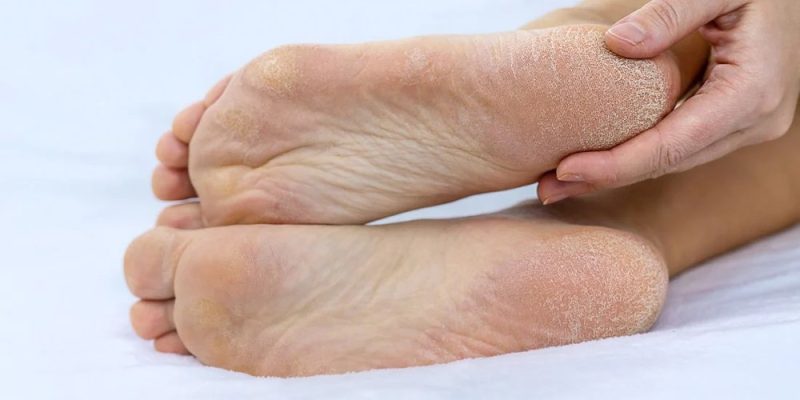
Some of you may experience dry or super dry heels that lead to cracking.
The feet have fewer sebaceous glands, making them vulnerable. The symptoms of dry skin include flaky skin and cracks. It sometimes has a burning sensation and itching that is very uncomfortable. Dealing with this dryness can be addressed with the best cream for cracked heels.
Dry feet exacerbated by reduced sweat gland function in the plantar area. It is a common problem among older people who suffer from diabetic neuropathy. The feet’s soles are subjected to friction from footsteps, leading to thickening of the stratum corneum. Thickening is accompanied by skin dryness that leads to cracks and crevices.
Cracked heels
Cracked heels happen for several reasons, such as:
- wearing footwear
- lack of moisture
The symptoms of cracked heels are:
- dry skin thickening around the heels
- cracked skin
- heel pain
Knowing the causes helps you understand the condition and its future prevention. Dehydrated skin causes cracked skin. The heel starts producing thick areas of rough skin to protect it. This happens if the moisture is lost. Cracked skin feels like a visual issue. However, it causes pain over time when untreated. You will notice it while walking.
- painful
- bleed from pressure
Calluses are the major culprit for rough skin. These are patches of thick, yellowish, dry skin that keep growing over injured areas of the skin to protect it. Calluses split under pressure when left untreated. The other reasons include:
- dry indoor heating
- exposure to cold weather
- problems with pronation of the foot
Dry heels treatment
Apply the cream on cracked heels after a shower. It is the best time to apply the cream since the skin is soft. The moisture is locked in on the heels to seal the barrier to rehydrate dry skin.
The foot cream protects the heels against:
- Cracking
- Dryness
You can apply the cream before bed to replenish some moisture to support and protect the natural regeneration process while you sleep. Dry heels can be painful, especially for a long walk. You must treat it to stop from worsening until treated. Only the best cream can treat cracked heels with the right ingredients to address dry skin.
Daily skin care for feet
No to harsh soaps
A heavily fragranced soap can dry out skin. It is safer to use unscented soaps.
Do not scrub
Gently using a foot file removes hard skin on the heels. It is sometimes beneficial, but scrubbing dry, cracked heels worsens the problem. Vigorous scrubbing dries the feet more. Apply the cream to restore its moisture after removing hard skin.
Protect cracked heels
You must ensure that your cracked heels are protected. Keep your feet clean and apply the cream at night.
FAQs
Can cracked heels be cured?
Cracked heels are healed using a foot cream with the right formulation. It must contain ingredients that aim to hydrate the skin. Mild cases of cracked heels can improve in 1 to 2 weeks. You just have consistent cream application to keep the healing going.
What happens to untreated cracked heels?
Cracked heels causes fissures to:
- Deepen
- Bleed
You will feel uncomfortable while walking. The open wounds expose your feet to bacteria. The cracks escalate into deep infections if left unmanaged, making it more painful.
How risky are cracked heels to diabetic patients?
Cracked heels are highly risky for diabetic patients. A small heel fissure can act as an open wound. The cracks can quickly deepen into ulcers when combined with:
- diabetic neuropathy
- poor circulation
A starting cracked heel must be addressed right away with cream to prevent it from escalating.
Comments